Synaptigen Reviews: What This Probiotic Memory Supplement Contains and What the Evidence Supports
By the Herbora Editorial Team · Updated October 2026
Disclosure: this article contains affiliate links. If you buy through them, we may earn a commission at no extra cost to you. It does not change what we write.
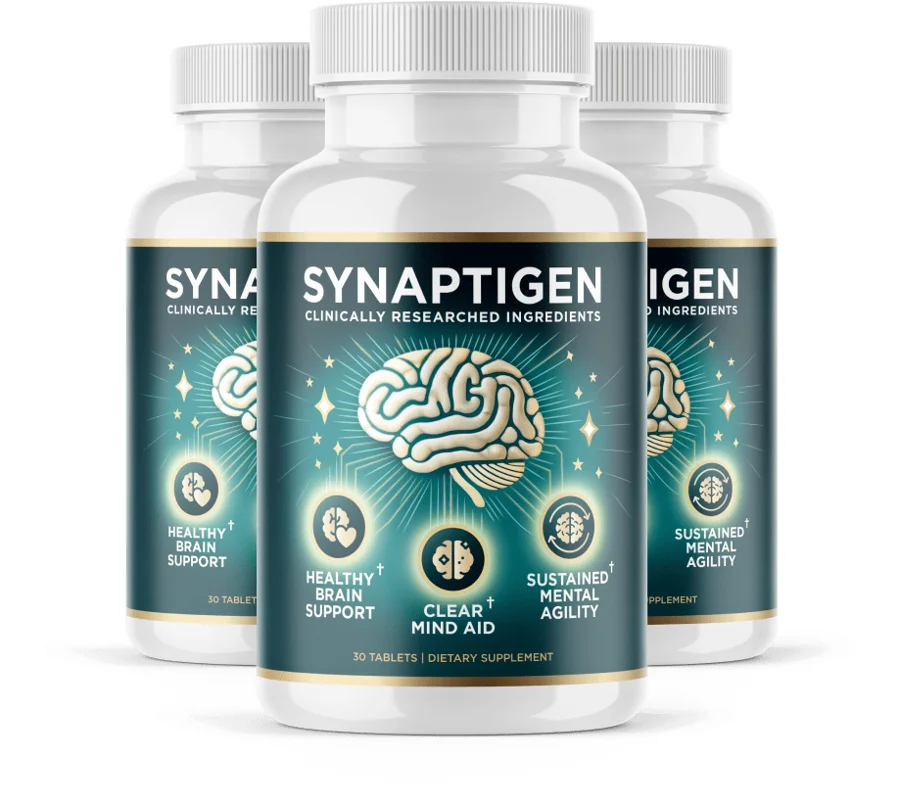
Synaptigen at a Glance
| Form | Chewable tablet, 30 per bottle; label says 1 tablet once or twice daily |
| Core ingredients | L. paracasei, L. reuteri, B. lactis BL-04 (3.5 billion CFU), S. salivarius, 100 mg inulin |
| Made in | USA, in an FDA-registered GMP facility, per the label |
| Guarantee | 180 days, counted from the delivery date |
| Shipping (US) | Free on 3- and 6-bottle bundles; 2-bottle box shows $9.99 |
| Main caution | Ask a doctor first if your immune system is weakened or you take medication |
Losing a word halfway through a sentence, forgetting why you opened the fridge, needing to reread an email twice before it sinks in: these small lapses become more noticeable for many adults after 40, and they are the reason the "brain support" aisle keeps growing. Most products in it are capsules packed with bacopa, ginkgo or caffeine. Synaptigen takes a different route.
It is a chewable probiotic tablet that is marketed for memory, focus and mental clarity. Below we look at what the label actually lists (including one strain the sales page leaves out), how the gut-brain idea behind it compares with the research, what each ingredient has and has not been shown to do, and the price, shipping and 180-day refund terms you should understand before ordering.
→ See the Synaptigen formula and current offer on the official website
What Is Synaptigen?
Synaptigen is a dietary supplement sold online as a brain health formula for adults who want to support memory, focus and clear thinking as they age. Unlike most nootropics, it contains no herbs or stimulants. Its active part is a blend of probiotic bacteria plus inulin, a plant fiber that gut bacteria feed on.
Each bottle holds 30 tablets. The tablets are meant to dissolve slowly in the mouth or be chewed, and they are flavored with strawberry and peppermint. The label lists Synaptigen as distributed from Tallmadge, Ohio, and states that it is made in the USA from foreign and US ingredients, in an FDA-registered facility that follows Good Manufacturing Practices (GMP). The sales page describes the formula as natural, non-GMO and free of stimulants.
One clarification matters here. An FDA-registered facility is simply a plant listed with the agency; it does not mean the FDA has reviewed or approved the product. The FDA does not check supplements for effectiveness before they reach the market, so the evidence behind each ingredient is what deserves attention.
Synaptigen at a Glance: What the Label Lists
The sales page names the ingredients but calls the formula proprietary. The Supplement Facts panel on the bottle label, which is shown as an image on the official site, gives more detail per tablet:
- Inulin powder from chicory root — 100 mg
- Proprietary probiotic blend — 20 mg, stated as 3.5 billion CFU at the time of manufacture: Lactobacillus paracasei, Lactobacillus reuteri and Bifidobacterium lactis BL-04
- Streptococcus salivarius — 20 mg (listed on the label but not on the sales page)
- Other ingredients: tricalcium phosphate, microcrystalline cellulose, natural strawberry flavor and peppermint essential oil
Two details are worth noting. First, the CFU figure is guaranteed only "at the time of manufacture", not at the expiry date, and the split between the three strains in the blend is not disclosed. Second, apart from BL-04, the strains are named only by species, without the strain codes that research results are tied to.
How Synaptigen Is Said to Work: Claim vs Evidence
The marketing explanation goes like this: the brain runs on glucose, modern diets are full of sugar, the excess builds up and coats neurons, and the formula first clears that sugar and then lets probiotics "populate the brain" and teach it to refuse excess sugar. The FAQ also links memory loss to the phrase "type 3 diabetes" and attributes it to Mayo Clinic and Duke researchers.
Part of this has a real scientific starting point, and part of it does not hold up:
- The real part. Researchers have studied how insulin resistance and glucose handling in the brain relate to Alzheimer's disease, and some have used the label "type 3 diabetes" to describe that hypothesis. It is a debated research idea, not an accepted diagnosis.
- The stretch. We found no published evidence that sugar "coats" neurons in the way the page describes, or that any supplement removes it.
- The part that is simply wrong. Probiotic bacteria live in the gut (and, for some species, the mouth). They do not travel to or colonize the brain. Any effect they have on the brain would be indirect, through nerves, immune signals or compounds they produce in the gut.
That indirect route is called the gut-brain axis, and it is a genuine, fast-moving field. Animal studies show that gut microbes can influence stress responses and behavior, and a handful of small human trials have tested probiotics on memory or cognition, with mixed results. The honest summary: the idea is plausible enough to study, but there is no published trial of Synaptigen itself, and results from one probiotic strain cannot be assumed for another.
Synaptigen Ingredients and What the Research Says
Doses below come from the label image. Because the three main strains share one 20 mg blend, the individual amounts are unknown.
1. Lactobacillus paracasei
A common lactic acid bacterium found in fermented dairy and many probiotic products. Specific L. paracasei strains have been studied for digestive comfort and immune markers, and a few have been tested in small stress or mood studies. Without a strain code on the label, it is not possible to say which, if any, of those studies apply to the version in Synaptigen.
2. Lactobacillus reuteri
L. reuteri is one of the most researched probiotic species, mainly for infant colic, digestive health and oral health, depending on the strain. Some animal research has looked at it in connection with social behavior and the gut-brain axis, but human evidence for memory or focus is very limited.
3. Bifidobacterium lactis BL-04
This is the only strain in the formula identified by its code. BL-04 has been studied mainly for digestive and immune outcomes, including in adults exposed to common respiratory infections. We are not aware of any trial testing BL-04 for memory. Bifidobacteria in general are among the groups most often discussed in gut-brain research, which is likely why it was included.
4. Streptococcus salivarius
Interestingly, this species appears on the label but not in the sales page ingredient list. S. salivarius is a normal resident of the mouth and throat, and certain strains are sold as oral probiotics aimed at breath and throat health. Its presence, together with the melt-in-the-mouth format, suggests the tablet is partly designed around oral bacteria. There is no research linking it to memory.
5. Inulin (Chicory Root)
Inulin is a soluble fiber that is not digested in the small intestine and instead feeds beneficial gut bacteria, especially bifidobacteria. That makes it a sensible partner for a probiotic blend. The 100 mg in each tablet is small compared with the several grams a day used in most prebiotic studies, so its main role here is likely supportive rather than decisive. Inulin can cause gas or bloating in sensitive people.
6. Peppermint Oil and Strawberry Flavor
These are flavorings that make the chewable tablet pleasant to take. Peppermint oil has its own research for irritable bowel symptoms when used in enteric-coated capsules, but the amount in a flavored tablet is not meant to do that. Peppermint can aggravate heartburn in some people.
7. Tricalcium Phosphate and Microcrystalline Cellulose
Standard tablet-making ingredients that help bind and shape the tablet. They are not active ingredients, even though the sales page lists tricalcium phosphate among them.
Curious about a probiotic approach to brain support? Check the Synaptigen bundles on the official site.
Visit the Official Synaptigen Website →What the Official Site Gets Wrong or Leaves Unclear
Reading the sales page, FAQ, label and help pages side by side reveals a few inconsistencies worth knowing before you buy:
- Dosage differs by source. The sales page says one tablet a day; the label says one tablet once or twice daily; the contact page FAQ says one tablet before bed for at least 180 days.
- The references page does not match the product. The "Scientific References" page lists studies on liver disease, the pancreas, L-arginine, green tea, chromium and guarana, none of which relate to probiotics or memory.
- Facility wording. The label says FDA-registered facility, while one FAQ answer describes the plant as approved by the agency. The FDA does not approve supplement facilities; the label wording is the accurate one.
- Safety claims. The FAQ says the formula suits all ages and medical conditions, while the label tells you to consult a healthcare provider if you are pregnant, nursing, on medication or have a medical condition. Follow the label.
- Bonus count. The page describes three free digital guides with the 6-bottle bundle, but one FAQ answer mentions two.
None of these points says anything about the quality of the tablets themselves, but they do suggest the marketing copy should be read with care.
Pros and Cons of Synaptigen
Pros
- A different approach from the usual herbal nootropic stack
- Supplement Facts panel discloses inulin dose and total CFU
- No stimulants or caffeine listed
- Chewable tablet, no capsules to swallow
- Made in the USA in an FDA-registered, GMP facility, per the label
- 180-day money-back guarantee, one-time purchase with no autoship
Cons
- No published study of the Synaptigen formula
- Strain codes missing for three of the four species
- Marketing mechanism (sugar coating neurons, probiotics in the brain) is not supported
- Dosage instructions differ between the label and the website
- Only 30 tablets per bottle, prices shown only as images
- Return postage for refunds is paid by the customer
Who Might Consider Synaptigen (and Who Should Not)
Synaptigen may appeal to adults who:
- want to try a stimulant-free product with no herbal ingredients
- are already interested in probiotics for general gut health and like the idea of a gut-brain angle
- prefer a chewable tablet over capsules
- understand that the evidence is early and are comfortable using the long guarantee as a trial period
It is a poor fit, or needs a doctor's input first, if you:
- have a weakened immune system, are seriously ill, have a central line or have recently had major surgery
- are pregnant, nursing or under 18
- take prescription medicines or have a chronic condition
- already take a probiotic, since you may simply be doubling up on similar bacteria
Most importantly, a supplement is not the right first step for memory problems that are new, worsening or affecting daily life. Forgetfulness can come from poor sleep, depression, thyroid problems, low vitamin B12, medication side effects and other treatable causes, and a doctor can check for them.
Safety and Side Effects
No serious side effects have been publicly reported for Synaptigen as a finished product. Probiotics in general have a long record of apparently safe use in healthy people. The most common complaints with probiotic and prebiotic products are mild and temporary: gas, bloating or changes in stool during the first days, which usually settle as the gut adjusts.
The National Center for Complementary and Integrative Health (NCCIH) notes that the risk of harmful effects is higher in people with serious illnesses or compromised immune systems, where rare but serious infections have been reported. Peppermint can worsen reflux in some people. The label does not mention allergens such as dairy or soy, so ask support if you have allergies. Store the bottle in a cool, dry place, as the label directs, because heat and moisture reduce probiotic survival.
How to Use Synaptigen
The label instructs adults to take one tablet once or twice daily, letting it dissolve in the mouth or chewing it slowly. The sales page simplifies this to one tablet a day, and the FAQ suggests taking it before bed. Starting with one tablet a day is the cautious choice, and it makes a bottle last a month; at two a day, a bottle lasts about two weeks.
Probiotic studies on mood or cognition usually ran for 8 to 12 weeks, so judge it over two to three months rather than days. Keeping a short weekly note on sleep, focus and forgetfulness gives you something concrete to compare, which is more reliable than memory itself.
Synaptigen Price, Shipping and Guarantee
The official site offers three bundles. Per-bottle prices are displayed as images on the order page; the figures below were shown there in October 2026, and the totals are our own arithmetic, so confirm the final amount at checkout.
| Bundle | Price shown on the official page |
|---|---|
| 2 bottles (Basic) | $79 per bottle, about $158 total, plus $9.99 shipping |
| 2 + 1 bottles (Most Popular) | $69 per bottle, about $207 total, free US shipping |
| 3 + 3 bottles (Best Value) | $49 per bottle, about $294 total, free US shipping, 3 digital bonuses |
| International shipping | $15.95 to Canada, UK, Ireland, Australia and NZ, 10 to 15 working days |
| US delivery time | About 5 to 7 working days, tracking email within 60 hours |
| Guarantee | 180 days from the delivery date |
The shipping policy page says US delivery is free, while the 2-bottle box shows a $9.99 shipping charge, so check the shipping line at checkout. The site states that every order is a one-time payment with no subscription or recurring charge.
→ Check today's Synaptigen prices and bundles on the official website
Refund Policy: What the Fine Print Says
The 180-day window is one of the longest in this category, and it starts on the day your order is delivered, not the day you pay. To request a refund, the policy asks you to email product support with "Refund Request" in the subject line, then mail back all bottles, empty or not, together with the packing slip and a note with your name, email and order ID, to the return address in Ohio listed on the refund page.
Return postage is paid by the customer, and the refund is processed within 5 to 10 days after the package arrives, although your bank may take longer to show it. Keep your tracking number, the delivery date and proof of postage. The policy also encourages long use before asking for a refund; that is a suggestion, not a condition, as long as you stay inside the 180 days.
What We Saw on the Official Synaptigen Order Page (October 12, 2026)
On October 12, 2026 we opened the official order page ourselves and followed the checkout up to the payment step, without placing an order, to record exactly what a buyer sees. The screenshots below are unedited crops from that visit.
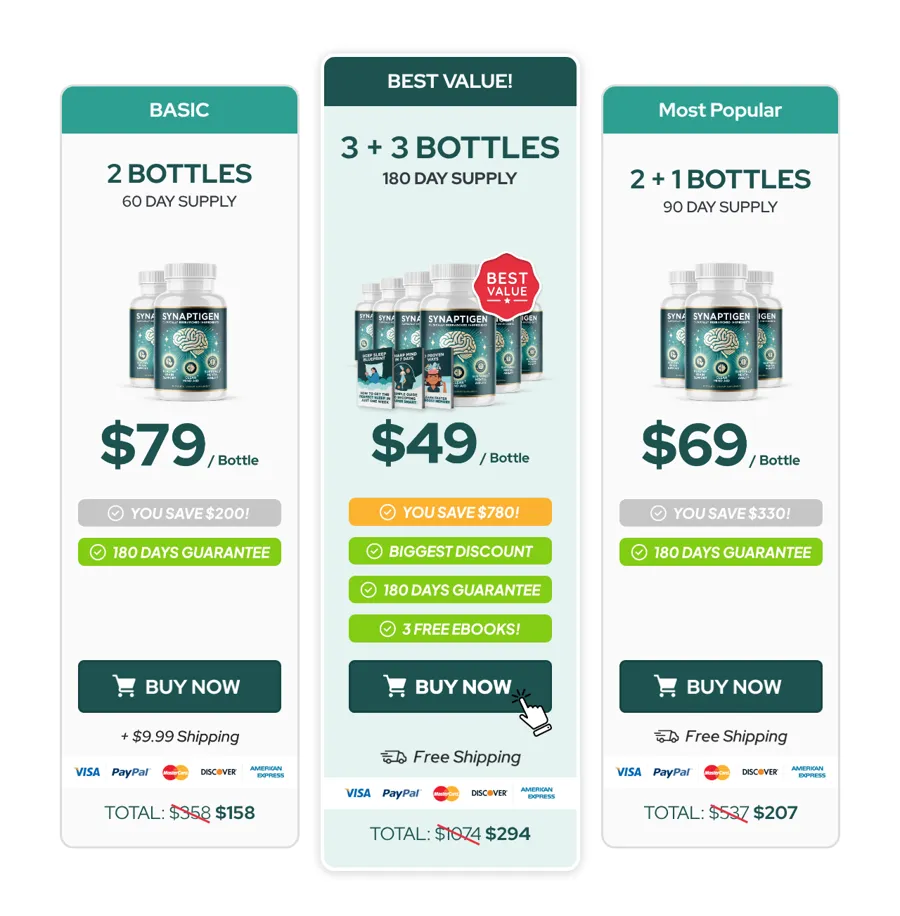
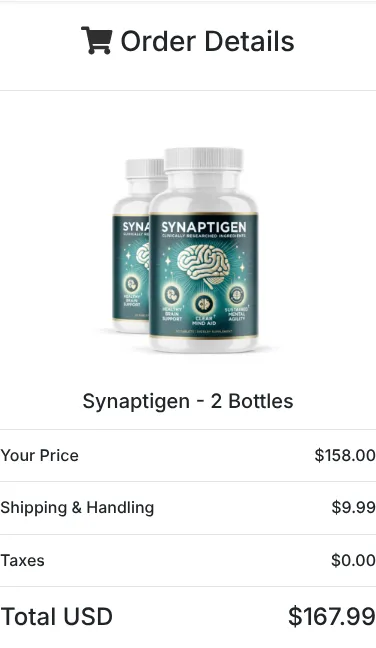
- The order page offered 2 bottles at $79, 2 + 1 bottles at $69 and 3 + 3 bottles at $49 per bottle, each card labelled with a 180-day guarantee.
- The 2-bottle checkout showed $158.00 plus $9.99 shipping and handling, $167.99 total. The 2 + 1 bundle came to $207.00 and the 3 + 3 bundle to $294.00, both with $0.00 shipping.
- The refund page confirms 180 days counted from delivery, one of the longest windows in this category. Contact address listed: contact@synaptigen-product.com.
Synaptigen vs Other Approaches
Versus herbal nootropics. Ingredients such as bacopa have more direct human research on memory than any probiotic strain, but they also bring more potential drug interactions. Synaptigen trades stronger evidence for a gentler, gut-focused profile.
Versus a regular probiotic. A standard multi-strain probiotic with full strain codes and a CFU count guaranteed through expiry may cost less per month. What Synaptigen adds is the chewable format, the oral species and the brain-focused positioning, not a uniquely proven blend.
Versus lifestyle basics. Regular exercise, consistent sleep, blood pressure control, social contact and a diet rich in plants and fiber have the strongest evidence for long-term brain health. A fiber-rich diet also feeds gut bacteria directly, so it supports the same gut-brain idea at no extra cost.
Where to Buy Synaptigen
Synaptigen is sold through its official website, and the 180-day guarantee applies to orders placed there. Copies on marketplaces or unknown stores may be old stock, stored badly (which matters for live bacteria) or imitations, and may not qualify for a refund. Ordering from the official page is the safest way to get a fresh product and the stated policy.
Final Verdict
Synaptigen stands apart from most memory supplements because it is a probiotic rather than an herbal stack. The label is more transparent than many: it shows the inulin dose, the total CFU count and a fourth species the sales page leaves out. The gut-brain axis behind it is a legitimate research area.
The weaknesses are just as clear. There is no study of the product, the strains mostly lack the codes that research depends on, the sugar-coating and probiotics-in-the-brain story does not match the science, and the official site contradicts itself on dosage and lists references for other products. If you are healthy, have ruled out medical causes for your symptoms with a doctor and are curious about a probiotic approach, the 180-day guarantee makes it a low-risk experiment. Keep expectations modest: supplements can support overall health, but they do not cure memory problems.
Frequently Asked Questions (FAQs)
Is Synaptigen a probiotic?
Yes. The label lists a probiotic blend of Lactobacillus paracasei, Lactobacillus reuteri and Bifidobacterium lactis BL-04 (3.5 billion CFU at manufacture), plus Streptococcus salivarius and 100 mg of inulin per tablet.
Is Synaptigen FDA-approved?
No dietary supplement is FDA-approved. The label says Synaptigen is made in an FDA-registered facility that follows GMP, which relates to manufacturing, not to proof that the product works.
How do you take Synaptigen?
The label says one tablet once or twice a day, dissolved in the mouth or chewed slowly. The website suggests one tablet daily, ideally before bed. Starting with one a day is the cautious option.
How long does Synaptigen take to work?
There is no study of the product, so no reliable timeline exists. Probiotic studies on cognition usually lasted 8 to 12 weeks, so give it at least two to three months before judging.
Does Synaptigen have side effects?
No serious side effects have been publicly reported. Mild gas or bloating is possible at first because of the probiotics and inulin. People with weakened immune systems should talk to a doctor first.
How does the Synaptigen refund work?
You have 180 days from delivery. Email support with "Refund Request" in the subject, then return all bottles, even empty ones, with the packing slip. Return postage is your cost.
Is Synaptigen a subscription?
No. The official site states each order is a one-time payment with no automatic shipments or recurring charges.
Want to compare the current Synaptigen bundles? The official site shows today's prices.
Visit the Official Synaptigen Website →References
- NCCIH. Probiotics: Usefulness and Safety. National Center for Complementary and Integrative Health.
- Hill C, et al. Expert consensus document: The International Scientific Association for Probiotics and Prebiotics consensus statement on the scope and appropriate use of the term probiotic. Nat Rev Gastroenterol Hepatol. 2014;11(8):506-514.
- Cryan JF, et al. The Microbiota-Gut-Brain Axis. Physiol Rev. 2019;99(4):1877-2013.
- Akbari E, et al. Effect of probiotic supplementation on cognitive function and metabolic status in Alzheimer's disease: a randomized, double-blind and controlled trial. Front Aging Neurosci. 2016;8:256.
- Kobayashi Y, et al. Effects of Bifidobacterium breve A1 on the cognitive function of older adults with memory complaints: a randomised, double-blind, placebo-controlled trial. Benef Microbes. 2019;10(5):511-520.
- de la Monte SM, Wands JR. Alzheimer's disease is type 3 diabetes — evidence reviewed. J Diabetes Sci Technol. 2008;2(6):1101-1113.
- Slavin J. Fiber and prebiotics: mechanisms and health benefits. Nutrients. 2013;5(4):1417-1435.
- NCCIH. Peppermint Oil. National Center for Complementary and Integrative Health.
- NCCIH. Dietary Supplements for Cognitive Function, Dementia, and Alzheimer's Disease: What the Science Says.
- National Institute on Aging. Memory Problems, Forgetfulness, and Aging.
This review is for general information only and is not medical advice. Product details (ingredients, prices, guarantee) come from the official Synaptigen pages as checked in October 2026; they can change, so confirm them at checkout. Talk to your doctor before starting any supplement, especially if you take prescription medication or have a health condition.